BLOGS
Holi in Nepal: Why This Colorful Festival Is Different Than You Expect
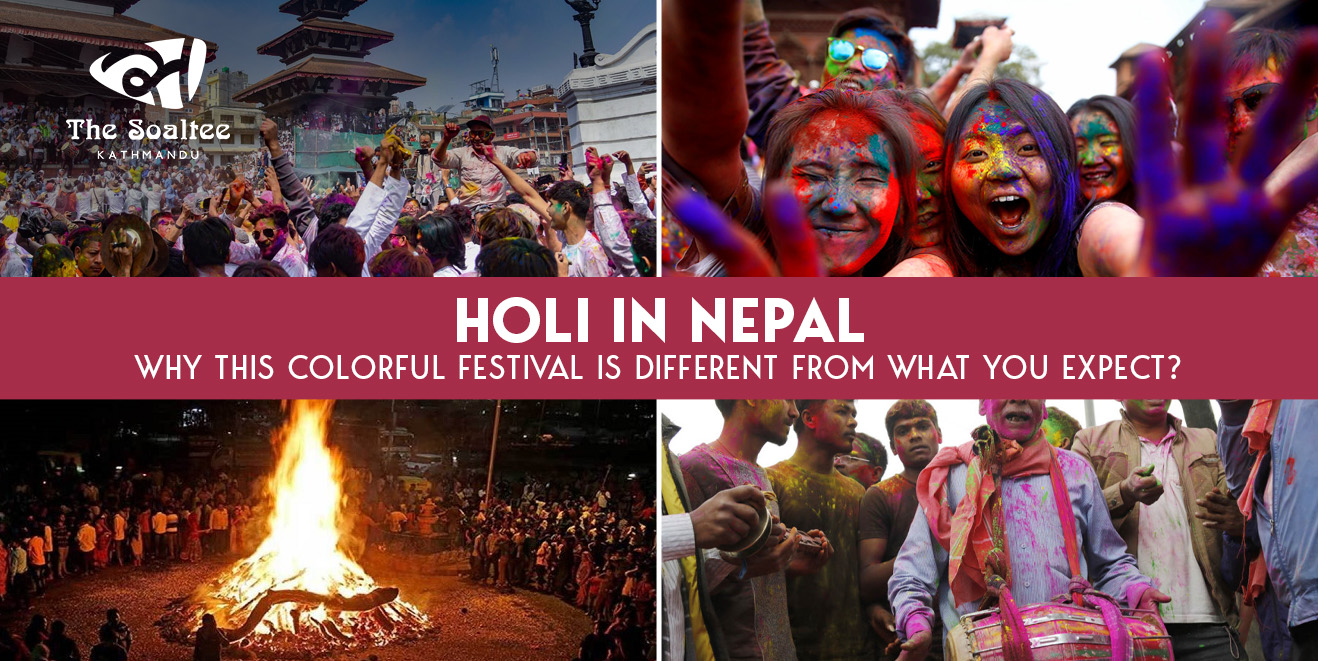
Holi, or Fagu Purnima, is Nepal’s most vibrant festival, marking the start of spring and the win of good over evil.
In 2026, the country feels extra joyful with a peaceful atmosphere after the recent elections.
As the cold winter ends, the streets of Nepal turn into a bright canvas of pink, blue, and yellow colors.
During this time, the famous "Atithi Devo Bhava" (The Guest is God) spirit is everywhere.
Locals warmly invite travelers to join the fun, sharing colors and smiles.
From the old palace squares in Kathmandu to the warm plains of the Terai, Holi is a journey of music, food, and a fresh start.
It is a day where everyone is equal, and strangers quickly become friends. Whether you are dancing to drums or sharing traditional sweets, Holi in Nepal is a happy experience you will always remember.
Why Is Holi in Nepal Different From Everywhere Else?
While globally recognized, the Nepali celebration of Holi has unique characteristics that set it apart from its neighbors:
- The Two-Day Split: Unlike India, Nepal celebrates Holi on two separate days based on geography, first the Hills, then the Terai.
- The "Chir" Ritual: Only in the Kathmandu Valley will you see the Chir, a ceremonial bamboo pole adorned with colorful cloth strips, marking the festival's official start.
- Buddhist Integration: In many parts of Nepal, Buddhist communities join the festivities, reflecting the country's unique religious harmony.
- Lola Culture: Nepal has a specific tradition of lolas (water balloons), which are playfully thrown throughout the week leading up to the main event.
- Mountain Backdrop: Celebrating in Pokhara provides a unique aesthetic, with white peaks contrasting against vibrant street colors.
Cultural Meaning of Holi in Nepal
The festival is deeply rooted in Hindu and local mythology, serving as a reminder of moral resilience:
- The Prahlad Legend: It commemorates the survival of Prahlad, a devotee of Lord Vishnu, and the demise of the demoness Holika in a fire.
- Radha-Krishna Love: It celebrates the divine romance between Krishna and Radha, symbolizing the eternal bond of love and the blooming of nature.
- Seasonal Transition: It acts as a seasonal marker, bidding farewell to winter and welcoming the blooming spring season.
- Social Equality: The use of color is meant to mask caste, class, and age differences, promoting a day of universal brotherhood.
- The "Chir" Symbolism: The burning of the Chir in Kathmandu symbolizes the end of the festival and the destruction of evil.
How Is Holi Celebrated Across Different Regions?
Nepal’s extreme topography dictates the style of celebration:
- The Hilly Regions: High energy, street concerts, and water-heavy play characterize celebrations in Kathmandu and Pokhara.
- The Terai (Southern Plains): A more traditional and family-oriented approach, often involving visiting relatives and applying tika.
- Mountain Villages: In remote areas, the festival is smaller but deeply cultural, often involving traditional folk dances.
- The Mithila Belt: In the east, the festival is a grander affair involving 15 days of religious circumambulation (Parikrama).
- Western Nepal: Celebrations often feature unique local songs and instruments like the Dholak that are specific to the borderland culture.
Kathmandu Valley Holi Celebrations
The valley remains the core of the 2026 celebrations:
- Basantapur Durbar Square: The most iconic gathering spot, where the Chir is carried and the crowds are the largest.
- Thamel: The tourist heartland, offering a safe yet colorful street party atmosphere for international visitors.
- Patan (Lalitpur): Known for its artistic style, where the play of colors takes place against the backdrop of the Krishna Mandir.
- Bhaktapur: Offers a more heritage-focused experience with traditional Newari drumming and fewer modern DJ sets.
- Temple Rituals: Local shrines see heavy footfall as families offer colored powder to deities before joining the street fun.
Terai Region Holi Traditions
In the southern plains, the festival is a soulful, agricultural celebration:
- Jogira Songs: Traditional folk songs sung in Maithili and Bhojpuri that narrate tales of love and nature.
- Mithila Art: Women decorate the courtyards of their homes with vibrant Rangoli to welcome guests.
- Matka Phod: A popular game where a clay pot is hung high and men form human pyramids to break it.
- Holika Dahan: Large community bonfires are lit on the eve of Holi, accompanied by traditional prayers.
- Agricultural Roots: Farmers celebrate the upcoming harvest, often using natural pigments derived from flowers and clay.
Music, Colors, Food, and Community
Holi is a holistic sensory experience involving specific local elements:
- Traditional Music: The rhythmic beat of the Madal and Dholak provides the pulse of the day.
- Organic Gulal: There is a growing trend in 2026 toward using flower-based powders like turmeric and marigold.
- The Holi Feast: Signature snacks include Gujiya (sweet dumplings), Sel Roti, and Malpuwa.
- Thandai: A chilled milk drink spiced with saffron and almonds, often the drink of choice for the day.
- Social Bonding: It is the primary day of the year for reconciling with estranged friends or neighbors through the exchange of color.
Safety, Etiquette, and Travel Tips for Visitors
To ensure a positive experience, travelers should adhere to these guidelines:
- Skin Protection: Apply coconut oil to your hair and skin before heading out to prevent staining.
- Protect Gear: Use waterproof pouches or "rain sleeves" for cameras and smartphones; the fine powder can be destructive.
- Dress Modestly: Wear old, light-colored clothes (white is best), but remain conservative to respect local norms.
- Consent is Key: Always ask before applying color to someone’s face; a simple "Happy Holi?" is sufficient.
- Time Management: Street celebrations are most fun between 10:00 AM and 1:00 PM; the atmosphere can get rowdy later in the afternoon.
Best Time and Places to Experience Holi in Nepal
For the 2026 festival, planning your location is vital:
- Kathmandu (March 2): Best for those who want the quintessential, high-energy "bucket list" experience in Durbar Square.
- Pokhara (March 2): Ideal for travelers who prefer a festive lakeside vibe with stunning Himalayan views.
- Janakpur (March 3): The premier choice for those seeking deep cultural immersion and Mithila traditions.
- Chitwan (March 3): Offers a "Jungle Holi" experience where you can celebrate in the morning and go on safari in the afternoon.
- Ilam (March 2): A quieter, picturesque celebration amidst the tea gardens of Eastern Nepal.
Staying at Soaltee Hotels During Holi Festival
Choosing a reliable base like Soaltee Hotels ensures a balanced festive experience:
- Safe Celebrations: Most Soaltee properties host private, controlled Holi events with high-quality organic colors.
- Post-Festival Sanctuary: Retreat from the street chaos to a luxury spa or a hot shower, essential for cleaning off the pigments.
- Central Locations: Whether in the heart of Kathmandu or the Terai cities (Nepalgunj, Itahari, and Bhairahawa), you are never far from the action.
- Festive Dining: Enjoy specially curated Holi menus featuring traditional sweets and spiced Thandai in a hygienic setting.
- Expert Guidance: Hotel staff can provide real-time updates on which streets are safe and where the best local events are happening.
Soaltee Heritage Club Benefits for Festive Travel
The Soaltee Heritage Club offers exclusive advantages for travelers during the 2026 Holi season:
- Priority Check-in: Skip the holiday rush with express arrival services.
- Dining Discounts: Members receive up to 20% off on special Holi branches and dinners.
- Room Upgrades: High-tier members enjoy priority upgrades to suites, perfect for "de-Holi" relaxation.
- Bonus Points: Earn accelerated points on festive stays and banquet events that can be redeemed across any Soaltee property.
- Late Check-out: Extend your stay to ensure you have enough time to rest after the high-energy celebrations.
Conclusion
Celebrating Holi in Nepal is much more than just a big party. It is an amazing experience that lets you see the heart of the country.
The festival shows exactly what makes the people of Nepal so special: they are strong, full of life, and very welcoming to everyone.
In 2026, as more people look for travel that feels real and deep, Holi offers a great chance to join an old tradition that still feels fresh and fun today.
It is a day of total joy that brings people together and reminds us that we are all the same.
Whether you are in the old squares of Kathmandu or the flat lands of the Terai, you can feel the sense of a fresh start in the air.
If you want to see the real Nepal, the best time to visit is during the full moon in March. It is an experience you will never forget, where every bit of color represents a story of friendship.
FAQs
1. When is Holi in 2026?
It falls on March 2nd (Hills) and March 3rd (Terai).
2. Is it safe for solo female travelers?
Yes, but it is highly recommended to celebrate in a group or within the organized events of your hotel.
3. What if I don't want to play?
It is best to stay indoors during peak hours, as being outside is generally seen as consent to participate.
4. Can I photograph the festival?
Yes, but be extremely careful with your equipment; the combination of water and fine dust is risky for electronics.
5. Are the colors permanent?
Most are not, but some synthetic dyes can take a few days to wash off completely.