BLOGS
Maha Shivaratri in Nepal: Devotees Travel From Abroad
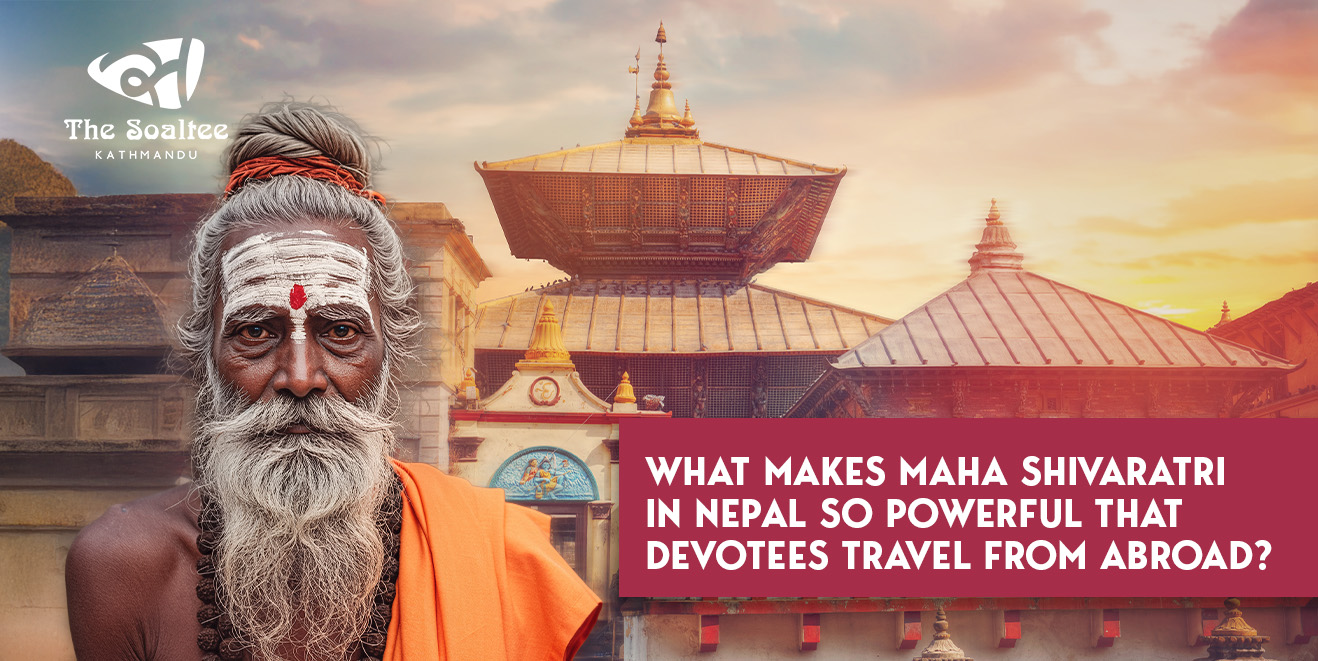
Maha Shivaratri is one of the most powerful and deeply felt festivals in Nepal.
It is a sacred night dedicated to Lord Shiva, a god worshipped as the source of creation, protection, and transformation.
Every year, this festival brings together devotion, faith, and culture in a way that is difficult to describe but easy to feel.
Streets fill with pilgrims, temples glow with oil lamps, and chants echo through the night.
What makes Maha Shivaratri in Nepal special is the strong spiritual energy that surrounds the country during this time.
Devotees from India, Bhutan, Sri Lanka, and many other countries travel to Nepal to take part in the celebrations.
Many believe that praying in Nepal, especially at holy sites like Pashupatinath, brings deeper blessings and inner peace.
The festival is not only about rituals. It is about belief, discipline, and connection. People fast, stay awake all night, perform Abhishek, and offer prayers with full faith.
This shared devotion is what makes Maha Shivaratri in Nepal so powerful and unforgettable.
Why Is Maha Shivaratri So Important in Nepal?
Maha Shivaratri is dedicated to Lord Shiva, one of the most respected gods in Hindu belief.
Nepal is home to Pashupatinath Temple, one of the holiest Shiva temples in the world.
Many believe that prayers offered in Nepal on this night bring strong spiritual rewards.
The festival connects people across regions, castes, and backgrounds through shared faith.
Sadhus, pilgrims, and devotees gather in large numbers, creating a rare spiritual atmosphere.
The night is seen as a time for self-control, meditation, and inner cleansing.
This deep religious importance is the main reason Maha Shivaratri in Nepal attracts devotees from abroad and holds such strong meaning for locals.
Spiritual Meaning of Maha Shivaratri
Maha Shivaratri, meaning "The Great Night of Shiva," holds deep spiritual significance for Hindus in Nepal and across the world.
Devotees believe that on this night, Lord Shiva performs the cosmic dance, Tandava, symbolizing the creation, preservation, and destruction of the universe.
It is considered the perfect time to overcome darkness, ignorance, and inner weaknesses.
The night carries powerful symbolism. Lighting oil lamps, offering Bilva leaves (Bel Patra), and chanting Om Namah Shivaya are acts believed to purify the mind and soul.
Devotees fast to show devotion and practice self-discipline. Some follow a strict fast without food and water, while others consume fruits and milk.
The purpose of fasting is not just physical restraint but cultivating spiritual focus and surrender to the divine.
Observing the night watch, known as Jagaran, is another core aspect. Devotees stay awake throughout the night, praying, meditating, and singing melodies.
This practice is said to strengthen concentration, encourage self-reflection, and connect the individual with universal energy.
Maha Shivaratri is therefore more than a festival; it is a spiritual journey. In Nepal, especially at Pashupatinath Temple, the night becomes a living experience of faith, unity, and devotion.
For pilgrims, it is a chance to seek blessings, inner peace, and divine guidance, making this celebration uniquely transformative.
Why Does Nepal Hold Special Importance for Maha Shivaratri?
Nepal holds a unique place in the celebration of Maha Shivaratri due to its deep connection with Lord Shiva.
The country is home to Pashupatinath Temple, one of the most sacred Shiva shrines in the world, attracting thousands of devotees from Nepal and abroad every year.
Pilgrims believe that offering prayers here on Maha Shivaratri brings spiritual purification, fulfillment of wishes, and divine blessings.
The cultural depth of Nepal adds to the festival’s significance.
Traditional rituals, temple processions, and devotional music have been preserved for centuries, creating a vibrant and authentic spiritual atmosphere.
The Kathmandu Valley, in particular, becomes a hub of faith, with temples illuminated by thousands of oil lamps and devotees observing fasting and night-long vigils.
Nepal’s sacred rivers, mountains, and forests further enhance the festival’s spiritual essence.
Pilgrims often visit riverbanks for ritual baths, believing it washes away sins, while Shiva shrines in remote areas allow for quiet reflection and meditation.
For international visitors, Nepal offers a rare combination of cultural immersion and spiritual experience.
Maha Shivaratri here is not just a festival; it is a journey into devotion, tradition, and the sacred heart of Hindu spirituality, making Nepal a truly special destination for Shiva worship.
Pashupatinath Temple: The Heart of Shivaratri Celebrations
- Iconic Shiva Shrine: Pashupatinath Temple in Kathmandu is the most important site for Maha Shivaratri, dedicated to Lord Shiva. It draws devotees from all over Nepal and the globe.
- Massive Crowds: During the festival, the temple grounds host tens of thousands of pilgrims, creating one of the largest religious gatherings in the region.
- Fasting & Night Vigil: Devotees observe strict fasting and stay awake all night, participating in continuous prayers, chanting “Om Namah Shivaya,” and listening to temple bells and conch sounds.
- Offerings and Rituals: Worshippers offer milk, flowers, fruits, and bilva leaves to the Shiva Lingam. Priests perform sacred rituals, including abhishekam (ritual bathing of the deity) multiple times during the night.
- Cultural Programs: Traditional music, devotional songs, and religious discourses take place near the temple, enhancing the spiritual ambiance.
- Global Pilgrims: Tourists and international devotees visit from India, Europe, and beyond, making Pashupatinath a center for global spiritual tourism.
- Spiritual Significance: The temple is believed to be a powerful energy center where prayers and penance have heightened spiritual impact during Maha Shivaratri.
- Nearby Ghats & Fire Rituals: The Bagmati River ghats host evening aartis and sacred fire ceremonies, where devotees light oil lamps and perform ritual bathing for purification.
- Accessibility & Accommodation: Located on the eastern bank of the Bagmati River, Pashupatinath is easily accessible from central Kathmandu. Nearby hotels, including Soaltee Kathmandu, provide comfortable stays for pilgrims and tourists with luxury amenities.
This combination of devotion, rituals, and cultural richness makes Pashupatinath the epicenter of Maha Shivaratri celebrations in Nepal, attracting spiritual seekers from across the world.
Rituals and Traditions Followed During Maha Shivaratri
During Maha Shivaratri, devotees engage in a series of sacred rituals and practices that honor Lord Shiva.
Abhishek is one of the most important ceremonies, where the Shiva Lingam is bathed with milk, water, honey, yogurt, and sacred oils while chants of “Om Namah Shivaya” fill the temple.
This ritual symbolizes purification, spiritual renewal, and devotion.
- Fasting: It is another key tradition. Many followers abstain from food entirely, while some consume only fruits and milk.
The fast is believed to strengthen self-discipline and enhance spiritual focus, allowing devotees to connect deeply with Lord Shiva’s energy.
- Night Vigil (Jagaran): Maha Shivaratri is also known as the “Night of Shiva,” during which worshippers stay awake all night, offering prayers and performing meditation.
Temples remain open throughout the night, with continuous chanting, devotional songs, and religious discourses. Staying awake symbolizes overcoming darkness and ignorance, reflecting Shiva’s eternal wisdom.
- Lighting and Offerings: Devotees light oil lamps and candles at temples and homes while offering bilva leaves, flowers, and fruits to the deity.
The sacred fire rituals at riverbanks or temple ghats enhance the spiritual atmosphere, creating a serene and powerful environment.
- Chanting and Meditation: Repeating mantras and meditating are common practices, believed to cleanse the mind and body.
Communities often gather for collective worship, reinforcing social and spiritual bonds.
These rituals and traditions together make Maha Shivaratri a deeply immersive experience of devotion, reflection, and spiritual connection.
Why Do Devotees Travel From Abroad for Maha Shivaratri in Nepal?
- Deep spiritual value: Nepal is believed to be a sacred land of Lord Shiva, making prayers during Maha Shivaratri more meaningful for devotees.
- Authentic rituals: Nepal follows traditional Shivaratri practices such as fasting, night-long worship, and chanting that have remained unchanged for generations.
- Presence of sadhus: Holy men from Nepal and India gather in large numbers, creating a rare and intense spiritual atmosphere.
- Night-long devotion: Devotees stay awake all night in meditation, bhajans, and prayers, which is considered highly sacred on Shivaratri.
- Global spiritual gathering: Pilgrims from different countries come together, creating a shared sense of faith and unity.
- Cultural richness: Along with rituals, visitors experience Nepali traditions, music, and religious discipline closely linked to Lord Shiva.
- Improved travel access: Better flights, accommodation options, and festival arrangements make it easier for international devotees to attend.
Staying Comfortable During Maha Shivaratri in Nepal with Soaltee Hotels
- Strategic locations: Soaltee Hotels are located in key cities like Kathmandu, Bhairahawa, Itahari, Chitwan, and Nepalgunj, making them convenient for devotees and travelers attending Maha Shivaratri events.
- Peaceful retreat after rituals: After long hours of fasting, walking, and night worship, Soaltee properties offer calm, secure, and comfortable spaces to rest and recover.
- Comfort-focused rooms: Spacious rooms, quality bedding, and modern amenities help guests maintain physical comfort during an intense spiritual journey.
- Hygiene and safety standards: During large festivals like Shivaratri, cleanliness and crowd-free environments matter. Soaltee Hotels maintain high safety and hygiene benchmarks.
- Dining flexibility: Guests can choose light vegetarian meals before and after fasting, prepared with quality ingredients and care.
- Professional service: Trained staff provide smooth check-ins, assistance, and support during peak festival periods.
- Ideal for international pilgrims: Reliable service standards and easy accessibility make Soaltee Hotels a trusted choice for devotees traveling from abroad.
- Balanced experience: Staying at Soaltee allows visitors to focus on spiritual devotion while enjoying comfort, structure, and peace throughout their stay.
Soaltee Heritage Club Benefits for Maha Shivaratri Travelers
- Earn points on every stay: Guests earn Heritage Club points for each stay at Soaltee Hotels while visiting Nepal during Maha Shivaratri.
- Redeem points across Nepal: Points can be used for free nights at Soaltee Hotels & Resorts in Nepal, making repeat spiritual visits more rewarding.
- Free night redemption options:
- Soaltee Kathmandu: 10,000 points
- Mithila Yatri Niwas, Janakpur: 5,000 points
- Soaltee Westend, Itahari: 7,500 points
- Soaltee Westend Premier, Nepalgunj: 7,500 points
- Soaltee Westend Resort Chitwan: 8,500 points
- Soaltee Westend Resort Nagarkot: 8,500 points
- Tiger Palace by Soaltee, Bhairahawa: 8,500 points
- Room upgrades and dining benefits: Points can also be used for room upgrades, dining discounts, and added comfort during festival stays.
- Tier-based privileges: Silver, Gold, Platinum, and Signature Club members receive benefits such as priority check-in and late check-out.
- Convenient for frequent pilgrims: Heritage Club membership makes yearly visits for Maha Shivaratri easier and more cost-effective.
- Seamless experience: Points are easy to track and redeem across all Soaltee properties in Nepal.
- More meaningful travel: The program adds value to spiritual journeys by combining devotion with comfort and long-term rewards.
Conclusion
Maha Shivaratri in Nepal stands out because it is deeply rooted in belief, history, and living practice.
The presence of Pashupatinath Temple, one of the most sacred Shiva sites in the world, gives the festival unmatched spiritual weight.
Devotees do not come only to observe rituals but also to experience devotion through fasting, night-long prayers, and collective energy that fills the temple grounds and the entire Kathmandu Valley.
Nepal’s cultural connection to Lord Shiva adds authenticity that draws pilgrims from abroad year after year.
When spiritual intensity meets careful travel planning and comfortable stays, the journey becomes more balanced and meaningful.
With trusted hospitality options like Soaltee Hotels and long-term value through the Soaltee Heritage Club, visitors can focus on devotion while enjoying peace and comfort.
This rare blend of faith, tradition, and mindful travel is what makes Maha Shivaratri in Nepal truly powerful.
FAQs
1. Why is Maha Shivaratri so important in Nepal?
Nepal is home to Pashupatinath Temple, one of the most sacred temples of Lord Shiva. This makes Nepal a central spiritual destination for Maha Shivaratri.
2. Why do devotees travel from abroad for Maha Shivaratri in Nepal?
Devotees believe prayers offered in Nepal, especially at Pashupatinath, carry stronger spiritual value due to its direct association with Lord Shiva.
3. What happens at Pashupatinath Temple during Maha Shivaratri?
The temple hosts special pujas, abhishek rituals, night-long chanting, and large gatherings of sadhus and pilgrims from different countries.
4. Is fasting compulsory during Maha Shivaratri?
Fasting is a personal spiritual choice. Many devote themselves to fasting, practicing self-discipline, and focusing on prayer and meditation.
5. Can foreigners attend Maha Shivaratri rituals in Nepal?
Yes. Maha Shivaratri in Nepal is open to all devotees and visitors, regardless of nationality or background.
6. When should travelers arrive in Nepal for Maha Shivaratri?
It is best to arrive at least one to two days early due to heavy crowds and security arrangements during the festival.
7. Where should devotees stay during Maha Shivaratri in Kathmandu?
Hotels near major spiritual sites offer convenience and comfort. Trusted brands like Soaltee Hotels provide calm stays during peak festival periods.
8. Is Maha Shivaratri only a religious event?
No. It is also a cultural and spiritual experience that reflects Nepal’s traditions, values, and collective faith.