BLOGS
Nepal Trekking Guide ( Expert Guide)
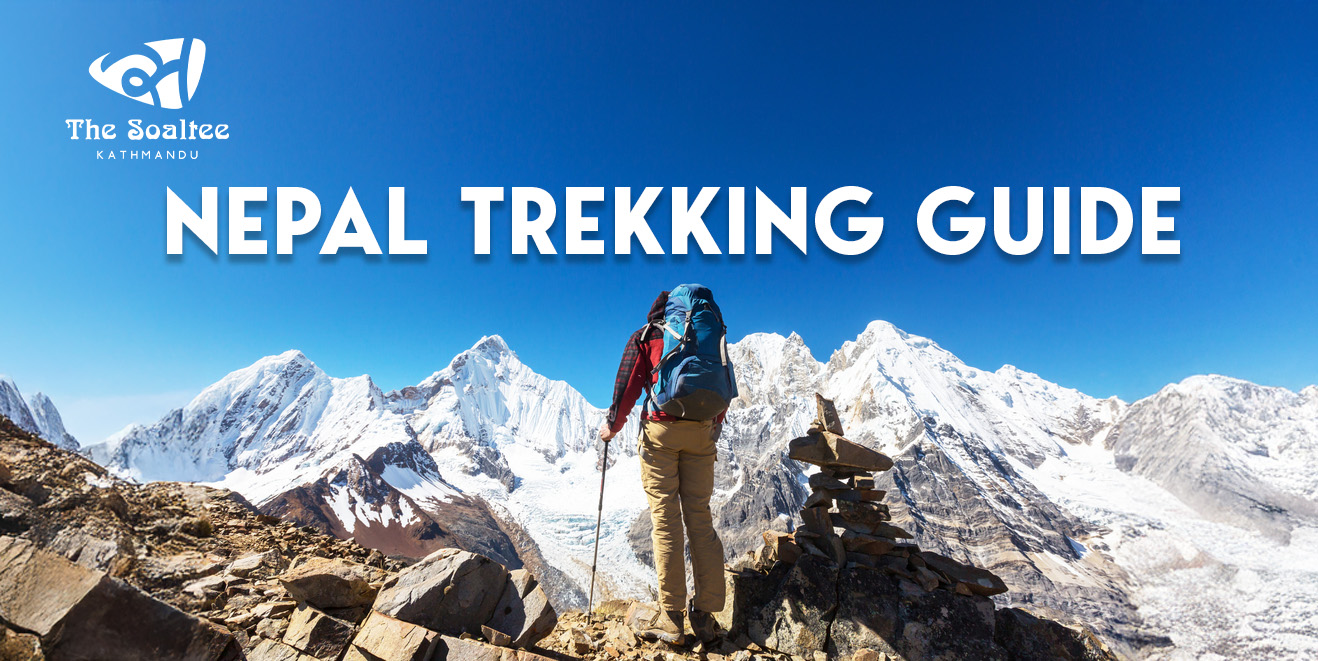
Trekking in Nepal is often described as a spiritual journey into the heart of the Himalayas.
For decades, this landlocked nation has been the world’s premier destination for adventurers, offering a unique blend of awe-inspiring natural wonders and deep-rooted cultural heritage.
From the subtropical jungles of the valleys to the snow-capped summit of Mount Everest, the geography of Nepal creates an unparalleled backdrop for exploration.
Unlike technical mountaineering, trekking in Nepal is accessible to anyone with a spirit of adventure.
The trails lead you through ancient villages where life has remained unchanged for centuries, across suspension bridges crossing glacial rivers, and into sacred monasteries perched on high ridges.
Whether you are walking through the rhododendron forests of the Annapurna region or standing at the foot of the world's highest peaks in Khumbu, every step is an invitation to self-discovery.
In Nepal, the journey is just as magnificent as the destination.
A. Best Time for Trekking in Nepal
Timing is the most critical factor in planning a successful trek. Nepal’s weather varies dramatically by season, influencing everything from mountain visibility to trail safety.
- Autumn (September to November): This is the undisputed peak season. After the monsoon rains wash away the dust, the air becomes incredibly clear, offering the sharpest views of the Himalayas. The weather is stable; the days are pleasantly warm, and the nights are cool but manageable.
- Spring (March to May): Often considered the second-best time, spring is the season of color. Massive rhododendron forests burst into shades of red and pink. Temperatures are warmer than in autumn, making it an excellent time for high-altitude treks.
- Winter (December to February): While high passes may close due to snow, winter is perfect for low-altitude treks (below 3,000 m). You’ll enjoy crystal-clear blue skies, crisp photography conditions, and empty trails.
- Monsoon (June to August): Generally avoided due to rain, the monsoon is the best time for "rain-shadow" treks like Upper Mustang or Dolpo, which remain dry while the rest of the country is lush and green.
B. Popular Trekking Regions in Nepal
Nepal is divided into several major trekking regions, each offering a distinct landscape and culture:
- The Everest (Khumbu) Region: Home to Mount Everest (8,848.86 m), this region offers dramatic high-altitude landscapes, massive glaciers, and the famous Sherpa culture. Highlights include Everest Base Camp and the Tengboche Monastery.
- The Annapurna Region: The most diverse area, offering everything from subtropical forests to arid high-altitude deserts. It is highly accessible from Pokhara and features the Annapurna Sanctuary and the Thorong La Pass.
- The Langtang Region: Known as the "Valley of Glaciers," this is the closest trekking region to Kathmandu. It provides a peaceful wilderness experience and is home to the resilient Tamang people.
- Manaslu and Mustang: These "restricted areas" offer a raw, off-the-beaten-path experience. Upper Mustang feels like a piece of old Tibet, while Manaslu circles the world’s 8th-highest peak.
C. Top Treks in Nepal for Beginners
For those new to the Himalayas, beginner treks typically stay below 3,500 meters and offer well-maintained paths.
- Ghorepani Poon Hill Trek (4–5 Days): Famous for the sunrise view from Poon Hill (3,210 m) over the Dhaulagiri and Annapurna ranges.
- Australian Camp Trek (2 Days): The easiest option near Pokhara, offering spectacular close-ups of Machhapuchhre (Fishtail).
- Everest View Trek (5–7 Days): A "panorama" trek that allows you to see Mt. Everest and Ama Dablam without the full two-week commitment to Base Camp.
D. Best Moderate Treks in Nepal
Moderate treks reach altitudes between 3,500 and 5,000 meters and require a good level of fitness.
- Annapurna Base Camp (ABC): A classic journey into a natural mountain at 4,130 m.
- Mardi Himal Trek: A newer ridge trek offering incredible, close-up views of Fishtail Mountain with fewer crowds.
- Langtang Valley Trek: A stunning mix of alpine scenery and rich Tamang culture, including a visit to Kyanjin Gompa.
E. Challenging and High-Altitude Treks
For those seeking the ultimate test of endurance, Nepal’s high-altitude treks offer a mix of thin air, rugged terrain, and life-changing vistas.
These trails are designed for experienced trekkers who are physically prepared for long days and mentally ready for the unpredictability of the high Himalayas.
- Everest Base Camp (EBC): While iconic, the trek to Everest Base Camp (5,364 m) is a strenuous undertaking.
The challenge lies in the sustained exertion at altitudes where oxygen levels are nearly 50% lower than at sea level.
- Annapurna Circuit: This classic trek is famous for crossing Thorong La Pass (5,416 m), the highest trekking pass in the world.
It involves a tough 4:00 AM start and a massive 1,600-meter descent.
- Manaslu Circuit: A rugged alternative to the more crowded routes, this trek circles Mt. Manaslu (8,163 m), the 8th highest mountain on Earth, crossing the remote Larkya La Pass (5,106 m).
F. Permits Required for Trekking in Nepal
Navigating the permit system is a crucial part of your pre-trek planning. In 2026, regulations have been modernized to prioritize trekker safety and environmental conservation.
- TIMS Card (Trekkers' Information Management System): Mandatory for almost all regions. For 2026, it must be obtained through a registered trekking agency.
- National Park/Conservation Area Permits: Required for entry into protected lands like Sagarmatha (Everest) or Annapurna (ACAP).
- Restricted Area Permits (RAP): Necessary for remote regions near international borders like Upper Mustang or Manaslu. These require a minimum of two trekkers and a licensed guide.
G. Trekking Costs and Budget Planning
- Daily Expenses: Budget between USD 40 and $60 per day for basic teahouse trekking (meals and a room).
- Guides & Porters: In 2026, licensed guides cost roughly USD 30–$50 per day, while porters cost USD 20–$30.
- Emergency Fund: Always set aside USD 200–$500 for unexpected delays, extra rest days, or minor medical needs.
H. Essential Packing List
- Layering System: Moisture-wicking merino wool base layers, a fleece mid-layer, and a breathable, waterproof Gore-Tex outer shell.
- Insulation: A high-quality down jacket rated for sub-zero temperatures is essential for high-altitude evenings.
- Gear: A 4-season sleeping bag (-15°C), sturdy broken-in boots, trekking poles, and a high-quality headlamp with extra batteries.
I. Health, Safety, and Altitude Sickness
- Adjust to: Follow the "Climb High, Sleep Low" rule. Limit daily sleeping elevation gain to 300–500 meters above 3,000 m.
- Hydrate: Drink 4–5 liters of water daily to help your blood carry oxygen more efficiently.
- AMS Awareness: If you feel persistent headaches or nausea, stop ascending. If symptoms worsen, they descend immediately.
J. Choosing a Licensed Guide
Since 2023, guides have been mandatory for most popular routes.
Ensure your agency is registered with the Nepal Tourism Board (NTB) and carries full insurance for their staff.
This not only ensures your safety through expert navigation and first aid but also supports ethical labor practices and the local economy.
K. Responsible and Sustainable Trekking
- Leave No Trace: Carry out all non-biodegradable waste and use water purification tablets instead of buying plastic bottles.
- Respect Culture: Always ask permission before taking photos of locals and dress modestly, especially when entering villages or monasteries.
- Support Local: Choose locally owned teahouses and buy authentic handicrafts to ensure your tourism dollars directly benefit the mountain communities.
L. Accommodation and Food on the Trail
- Teahouses: These are simple, family-run lodges. In 2026, many offer solar charging and Wi-Fi for a small fee, though rooms remain basic and unheated.
- Food: Dal Bhat (lentil soup and rice) is the best fuel; options above 3,500 m for better digestion.
M. Post-Trek Comfort at Soaltee Hotels and Resorts
After a long day of trekking, guests can return to the comfort and luxury of Soaltee Hotels and Resorts across Nepal.
Each property offers premium rooms with modern amenities, cozy lounges, and serene surroundings perfect for rest and recovery.
- Soaltee Kathmandu: Ideal for trekkers returning from nearby trails or city-based explorations, offering spa services, fine dining, and personalized guest care.
- Soaltee Westend Resort Nagarkot: Perfect after Himalayan treks, providing panoramic mountain views, spa treatments, and quiet spaces to unwind.
- Soaltee Westend Resort Chitwan: Guests trekking near Chitwan National Park can relax in spacious rooms and enjoy wellness facilities.
- Tiger Palace by Soaltee, Bhairahawa: Perfect for travelers exploring the western regions or nearby wildlife areas, with luxurious accommodation and spa services.
- Soaltee Westend, Itahari: Convenient for trekkers visiting eastern Nepal or nearby hills, offering comfortable rooms and rejuvenating facilities.
- Soaltee Westend Premier, Nepalgunj: Ideal for guests trekking near western plains and rivers, providing modern rooms and dining options.
- Mithila Yatri Niwas, Janakpur: Guests exploring cultural and pilgrimage trails can redeem Heritage Club points for free nights, room upgrades, and dining discounts.
- Soaltee Westend Lakeside, Pokhara: Perfect for trekkers returning from Annapurna or Pokhara Valley trails, offering serene lake views, spa treatments, and premium dining.
Staying at any Soaltee property ensures trekking adventures are complemented by luxury, relaxation, and exceptional hospitality, making every trip in Nepal both adventurous and rejuvenating.
Conclusion
Trekking in Nepal is far more than a physical challenge; it is a deep journey of the body and soul that stays with you long after the dust has settled on your boots.
From the rhythmic chanting in ancient monasteries to the silent, golden glow of sunrise on an 8,000-meter peak, the Himalayas offer a perspective on life that is hard to find anywhere else.
As you finish your challenging adventure, the transition back to civilization deserves a touch of grace.
Whether you are sharing stories of the trail over a world-class meal or relaxing in our tranquil spa, we are here to ensure your Himalayan story ends with the comfort you truly deserve.
FAQs
1. Do I need to be an athlete to trek?