BLOGS
What is Gai Jatra in Nepal? (Everything you need to know about)
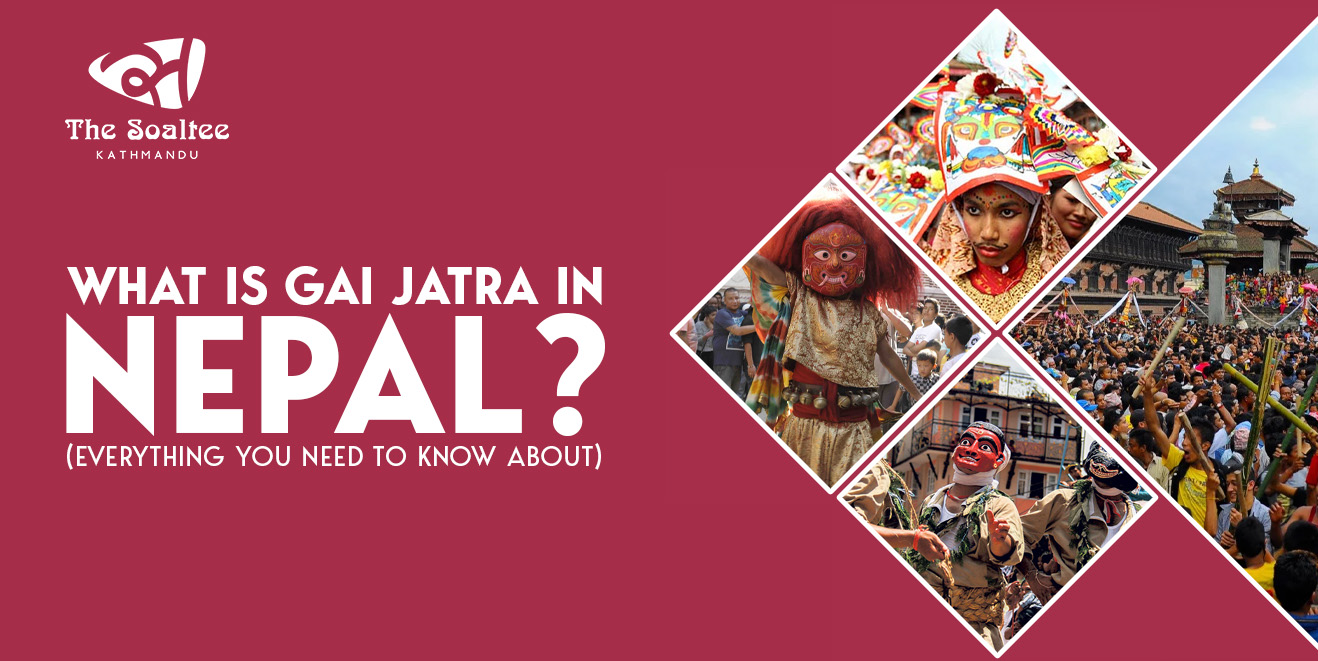
Gai Jatra, popularly known as the "Festival of Cows," is one of Nepal's most profound and colorful traditions.
Celebrated primarily by the Newar community in the Kathmandu Valley, it serves as a unique way to honor family members who have passed away during the previous year.
In 2026, the festival falls on August 29th, bringing a mix of deep emotion and vibrant celebration to the streets.
Unlike traditional memorials, Gai Jatra is not purely a day of mourning; it is a carnival that uses humor and satire to help people accept the reality of death.
The festival demonstrates the incredible resilience of the Nepali spirit, showing that even in the face of loss, life must continue with joy.
By transforming personal grief into a shared public event, Gai Jatra promotes a sense of community healing.
It remains a vital part of Nepal’s cultural identity, attracting visitors from around the world who wish to witness this beautiful balance of life and death.
The History of Gai Jatra in Nepal
The history of Gai Jatra is a touching blend of royal tragedy and cultural evolution:
- Royal Origin: The festival’s most famous story dates to the 17th century, when King Pratap Malla sought to comfort his queen following the death of their young son.
- A Lesson in Grief: The king ordered a procession of every family who had lost a member that year, helping the queen realize that death is a universal reality and she was not alone.
- Introduction of Humor: To further cheer, the king encouraged satire and funny acts, which evolved into the festival's signature comedy and street performances.
- Ancient Roots: Beyond the Malla era, historians believe the festival draws from older traditions of worshipping Yamaraj, the God of Death, eventually merging into the public celebration seen today.
Why Is the Cow Important in Gai Jatra?
In Hindu belief, the cow serves as a sacred maternal figure and a vital spiritual guide for the afterlife:
- Crossing the Vaitarna: According to the Garuda Purana, souls must cross the legendary Vaitarna River to reach the kingdom of death. It is believed that holding a cow’s tail ensures a safe passage.
- Spiritual Passage: Leading a cow through the streets during the festival represents the deceased's transition from the earthly realm to heaven.
- Assurance for the Living: For families, the ritual provides the spiritual comfort that their loved ones are being guided toward a peaceful destination.
Cultural and Religious Meaning of Gai Jatra
Gai Jatra is a cultural masterpiece that reshapes how the community experiences and processes loss:
- Spiritual Duty: Grounded in the belief of reincarnation, families perform these rituals to appease Yamaraj (the God of Death) and ensure their loved ones are guided toward a better next life.
- Collective Healing: By bringing private grief into the public square, the festival transforms individual sorrow into a shared community experience, providing a powerful psychological support system.
- Balance of Life: The blend of mourning with humor teaches a profound lesson—that while death is inevitable, laughter and resilience are essential to continuing the rhythm of life.
How Is Gai Jatra Celebrated in Nepal?
The festival is a daylong event that transforms personal mourning into a vibrant communal celebration:
- Cow Processions: Families who lost a loved one lead a decorated cow through the streets to guide the deceased’s soul to heaven.
- Symbolic "Cowboys": Families often dress a young boy in yellow robes and a cow-themed headdress as a symbolic representation of the sacred animal.
- Gifts and Offerings: Spectators line the route to offer participants food, sweets, and money, fostering a sense of shared community support.
- Traditional Music: Newari ensembles play drums and cymbals, providing a rhythmic heartbeat to the celebrations.
- Ghintang Ghisi Dance: In the afternoon, the mood turns festive as crowds perform traditional stick dances and wear elaborate masks.
- Satirical Performances: The day concludes with street plays and humor, using laughter to help families heal from their grief.
Gai Jatra in Kathmandu Valley
The heart of the festival beats strongest in the three historic cities of the Valley, each offering a distinct cultural experience:
- Kathmandu (Basantapur): Centered at Hanuman Dhoka, this hub is famous for its vocal satire. Thousands gather to watch "cowboys" while street performers openly mock political figures and social issues.
- Bhaktapur: Known for the most vibrant and longest celebration (eight days), families carry the Taha-Macha, a tall bamboo carriage. The city vibrates with the synchronized clashing of the Ghintang Ghisi stick dance.
- Lalitpur (Patan): This celebration is deeply artistic and religious, blending Hindu and Buddhist traditions. It often coincides with Mataya, where devotees light lamps at thousands of small shrines to guide departed souls.
Regional Variations of Gai Jatra Across Nepal
Beyond the Kathmandu Valley, Newar communities adapt the festival to reflect local traditions and landscapes:
- Pokhara: A vibrant mix of tradition and tourism in Old Pokhara, featuring energetic local club performances and processions that captivate both residents and travelers.
- Banepa and Dhulikhel: These ancient towns maintain a deeply ritualistic focus, emphasizing intimate processions, traditional chants, and songs.
- The Terai (Biratnagar, Dharan, Butwal): A unique blend of Newari and Madhesi influences, featuring satirical plays on regional issues and diverse communal feasts.
- Hill Towns (Bandipur, Trishuli): A quieter, family-oriented affair where entire villages join in, strengthening close-knit community bonds through shared mourning and celebration.
Satire, Humor, and Social Commentary
Gai Jatra is Nepal's "Day of Freedom," where humor serves as a tool for collective healing and social critique:
- License for Satire: It is the only day with near-total freedom to openly mock social norms and public figures without fear.
- Political satire: Performers use exaggerated caricatures to highlight corruption, bureaucracy, and the frustrations of daily life.
- Advocacy & Inclusion: The LGBTQ+ community utilizes the traditional license for cross-dressing to host Pride performances and raise social awareness.
- Street Comedy: Comedians use both the Newari and Nepali languages in public squares to provide emotional relief through communal laughter.
- Media Impact: Newspapers and TV channels release special satirical editions, while social media carries these performances to a global audience.
- Social Pressure Valve: The festival allows society to safely discuss and laugh at serious topics usually avoided in polite conversation.
- Modern Relevance: While ancient in origin, today’s satire addresses 21st-century issues, keeping the tradition relevant for younger generations.
Costumes, Processions, and Performances
Gai Jatra is a visual masterpiece, turning the streets into a vibrant open-air theater. The processions and performances are characterized by:
- The "Cow" Attire: Young boys, representing the sacred cow, wear yellow silk robes and tall paper headdresses decorated with cow faces, marigolds, and colorful ribbons.
- Symbolic Masks: Performers wear intricate masks of deities, demons, and animals, performing ritual dances to ward off evil spirits and protect the souls of the dead.
- Ghintang Ghisi Dance: This signature stick dance is performed in long lines. Dancers clash sticks in a rhythmic, three-step pattern that creates a hypnotic sound across the city.
- Creative Costumes: Beyond tradition, many participants dress as mythological characters, ghosts, or satirical versions of modern figures to entertain the crowds.
- Musical Accompaniment: Processions are led by traditional Newari bands playing the Dhimay (drums) and Bhushya (cymbals), providing the high-energy heartbeat of the entire festival.
Food, Music, and Community Gatherings
Gai Jatra creates a powerful atmosphere of communal bonding, where shared meals and rhythmic sounds help bridge the gap between grief and joy:
- The Samay Baji Platter: Families prepare and share this iconic Newari feast, which includes beaten rice (chiura), smoked buffalo meat (choila), boiled eggs, and black soybeans. It is a symbol of fortune and health.
- Gifts of Kindness: Pedestrians and neighbors offer "packets" containing fruits, sweets, milk, and nuts to the children and cow owners in the procession as an act of merit.
- Healing Through Music: The streets vibrate with the sound of the Dhimay (drum), Bhushya (cymbals), and flutes. The high-energy music is believed to appease the God of Death and drive away evil spirits.
- Public Feasting: Large groups gather in courtyards to share stories of their departed loved ones over homemade rice beer (Aila), strengthening neighborhood ties and providing collective emotional support.
Best Time and Places to Experience Gai Jatra
To make the most of Gai Jatra in 2026, you should be in the Kathmandu Valley on August 29th.
The festival has different "peak" times depending on what you want to see:
- Kathmandu Durbar Square (8:00 AM – 11:00 AM): This is the best time to see the religious processions. Watching the children dressed as cows pass the ancient Hanuman Dhoka Palace is a powerful morning experience.
- Bhaktapur (10:00 AM – 1:00 PM): Bhaktapur offers the most traditional and lively atmosphere. The narrow streets can get very crowded by midday, so arriving by 10:00 AM allows you to see the Taha-Macha chariots before the peak congestion.
- Afternoon (1:00 PM – 4:00 PM): This is the ideal time for satire and comedy. Public squares in Kathmandu and Patan become stages for street plays, dancers, and comedians.
- Late Evening in Bhaktapur: Unlike other cities, Bhaktapur continues the festivities for eight days. Visiting in the evening allows you to see local cultural dances and music performances in the quiet, lit-up courtyards.
Gai Jatra and Its Role in Nepali Society Today
In 2026, Gai Jatra remains a vital pillar of Nepali culture, evolving to meet the needs of a modern, fast-paced society while keeping its ancient heart intact.
It serves as more than just a memory of the past; it is a living mechanism for mental health and collective healing.
- Social Acceptance of Grief: In an era where emotional struggles are often hidden, Gai Jatra provides a structured, public space for families to process loss openly and without shame.
- Platform for Inclusivity: The festival has become a landmark day for the LGBTQ+ community. Organizations like the Blue Diamond Society use the traditional license for "genderbending" to host Pride marches, advocating for rights and visibility.
- Civic Discourse: The tradition of satire now tackles 21st-century issues, from environmental concerns to digital-age politics, ensuring the festival remains a relevant "social pressure valve."
- Cultural Continuity: By involving the younger generation, who dress as "cowboys" while documenting the event for social media, the festival bridges the gap between ancient Malla-era values and the digital future of Nepal.
Travel Tips and Etiquette for Visitors
To fully appreciate the spirit of Gai Jatra while being a responsible traveler, keep these tips in mind:
- Dress Modestly: While the festival is a carnival, it is rooted in religious mourning. Wear comfortable clothes that cover your shoulders and knees to show respect.
- Ask Before Photographing: Families are often happy to have their children photographed in costume, but a quick nod or asking "Namaste?" is polite, especially during emotional moments of prayer.
- Offerings and Donations: It is a kind gesture to carry small change or packets of biscuits/sweets to give to the "cowboys" in the procession; this is seen as a blessing for the deceased soul.
- Stay Mindful of Crowds: The narrow alleys of Bhaktapur and Kathmandu get very congested. Stay to the sides to allow the processions to pass through without interruption.
- Engage with Satire: Don't be offended if a street performer targets you for a harmless joke; it's all part of the festival's unique "freedom of speech."
Staying With Soaltee Hotels During Gai Jatra
- Comfortable and Convenient Base: Soaltee Hotels are strategically located near major festival routes in Kathmandu, Nagarkot, Itahari, Nepalgunj, and Bhairahawa, making it easy to enjoy the vibrant Gai Jatra processions without stress.
- Safe Festival Experience: The hotels provide a secure environment, so you can celebrate the festival with peace of mind.
- Post-Festival Relaxation: After a day of music, satire, and colorful processions, retreat to a private room, enjoy a hot shower, or relax in the spa to rejuvenate.
- Festive Dining: Special Gai Jatra menus feature traditional Nepali dishes, keeping your energy high while experiencing the festivities.
- Expert Guidance: Hotel staff share tips on the best routes, safe viewing points, and local customs, ensuring you make the most of the festival.
Soaltee Heritage Club Benefits
- Priority Check-in: Skip queues and enjoy a smooth arrival even during busy festival days.
- Dining Discounts: Up to 20% off on special Gai Jatra meals.
- Room Upgrades: High-tier members enjoy suites or upgraded rooms for extra comfort.
- Bonus Points: Earn accelerated points on festive stays and events, redeemable across any Soaltee property.
- Late Check-out: Extra time to rest and recover after long festival celebrations.
Conclusion
Gai Jatra stands as a testament to the emotional intelligence of Nepali culture.
It is arguably the only festival in the world that successfully marries the somber reality of death with the lightheartedness of a carnival.
By transforming a private period of mourning into a public display of solidarity, it ensures that no family must carry the burden of grief alone.
The festival’s ability to use humor as a therapeutic tool, a tradition started by a king to heal a queen’s broken heart, highlights a profound understanding of human psychology.
Ultimately, Gai Jatra is unique because it celebrates life through the perspective of death, teaching us that memory is best preserved through laughter, community, and the shared courage to move forward.
To truly immerse yourself in this unparalleled cultural experience with ease, Soaltee Hotels provides the perfect gateway, along with Soaltee Heritage Club benefits, blending these ancient traditions with modern luxury and comfort.
FAQs
1. When is Gai Jatra celebrated in 2026?
It will be observed on Saturday, August 29th, based on the lunar calendar.
2. What is the main purpose of the festival?
To honor family members who died in the past year and help their souls reach heaven.
3. Why are children dressed as cows?
They represent the sacred cow, which is believed to guide the deceased across the mythical Vaitarna River.
4. Is it a public holiday in Nepal?
Yes, it is a public holiday, particularly within the Kathmandu Valley.
5. Can tourists participate in the processions?
Yes, visitors are welcome to watch and walk alongside the processions respectfully.
6. What is "Ghintang Ghisi"?
It is a traditional Newari stick dance performed in the streets, especially famous in Bhaktapur.
7. Why is satire allowed on this day?
It originated from a royal decree to use humor to cheer up a grieving queen.
8. Where is the best place to stay during the festival?
The Soaltee Kathmandu offers the best proximity to the main event sites and luxury amenities.